
Beyond Euclid #204
Welcome to Beyond Euclid #204, the newsletter for the best mathematics and science stuff of the week. I am Ali, and I curate cool math and science stuff every week to help you have a better week.
Hey everyone, I’ve put together this week’s Math, Science & Good Internet for you. I hope you enjoy it! Merry Christmas and Happy Holidays to all of you!
If you want to support my work, you can get a paid subscription or simply share it with your friends. And even the smallest support on Patreon — like 1–2 dollars a month — makes me very happy and never hurts you. My Patreon link: https://www.patreon.com/c/alikaya
Facts That Should Be Illegal to Be This Cool
🔋 You know those small button cells we see hundreds of times in our daily lives and consider insignificant? It turns out we could use them to expose the marketing chaos of the modern technology industry. These simple batteries, just like a fundamental scientific principle functioning perfectly, carry a solid logic within them.
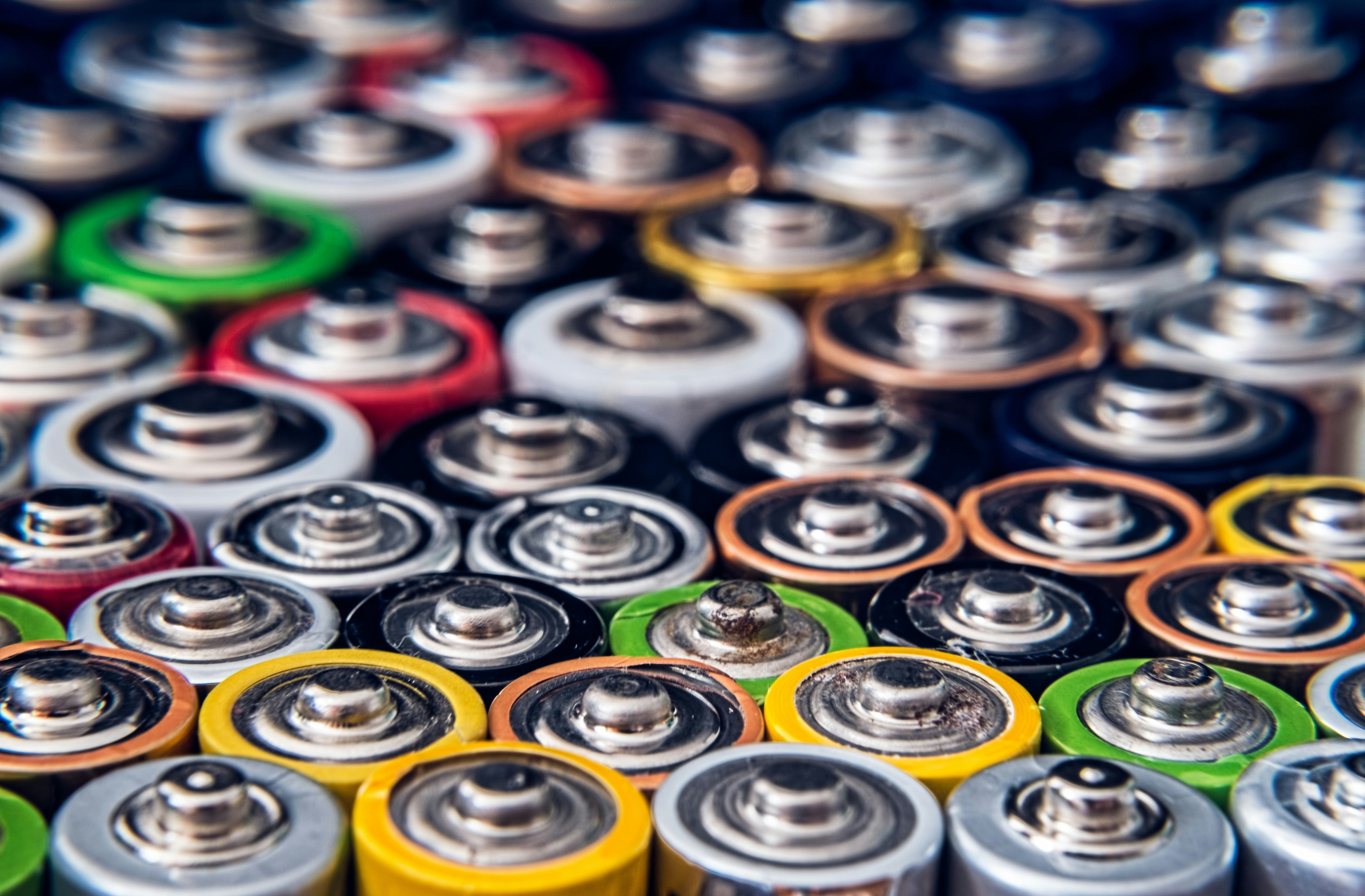
While modern companies love to use hollow, inflated, and meaningless names like “Pro Max Ultra S” for their products, the coding system on these batteries stands as the most direct and rigid example of industrial honesty. Take, for instance, the most popular one, the CR2032 code. This is not a marketing fantasy, but a direct technical declaration of identity: C stands for Lithium chemistry, R for Round shape, 20 for Diameter (20 mm), and 32 for Thickness (3.2 mm). The moment you read the battery’s name, you know its material and physical dimensions.
This is the peak of transparency and rigid logic. It is maximum, unfiltered information squeezed into a restricted metal space. There is no effort to deceive the consumer, to create “secret” features, or to cause confusion. The battery’s identity is its user manual. This pure, scientific language lands like a punch against the ostentatious, inflated naming standards of today’s technologies. The quiet honesty of these batteries shows us that the smartest and most lasting solutions are generally the most simple, logical, and self-ciphered. The issue is not about cool words; it’s about getting rid of unnecessary words.
Math + Engineering + Physics + Art
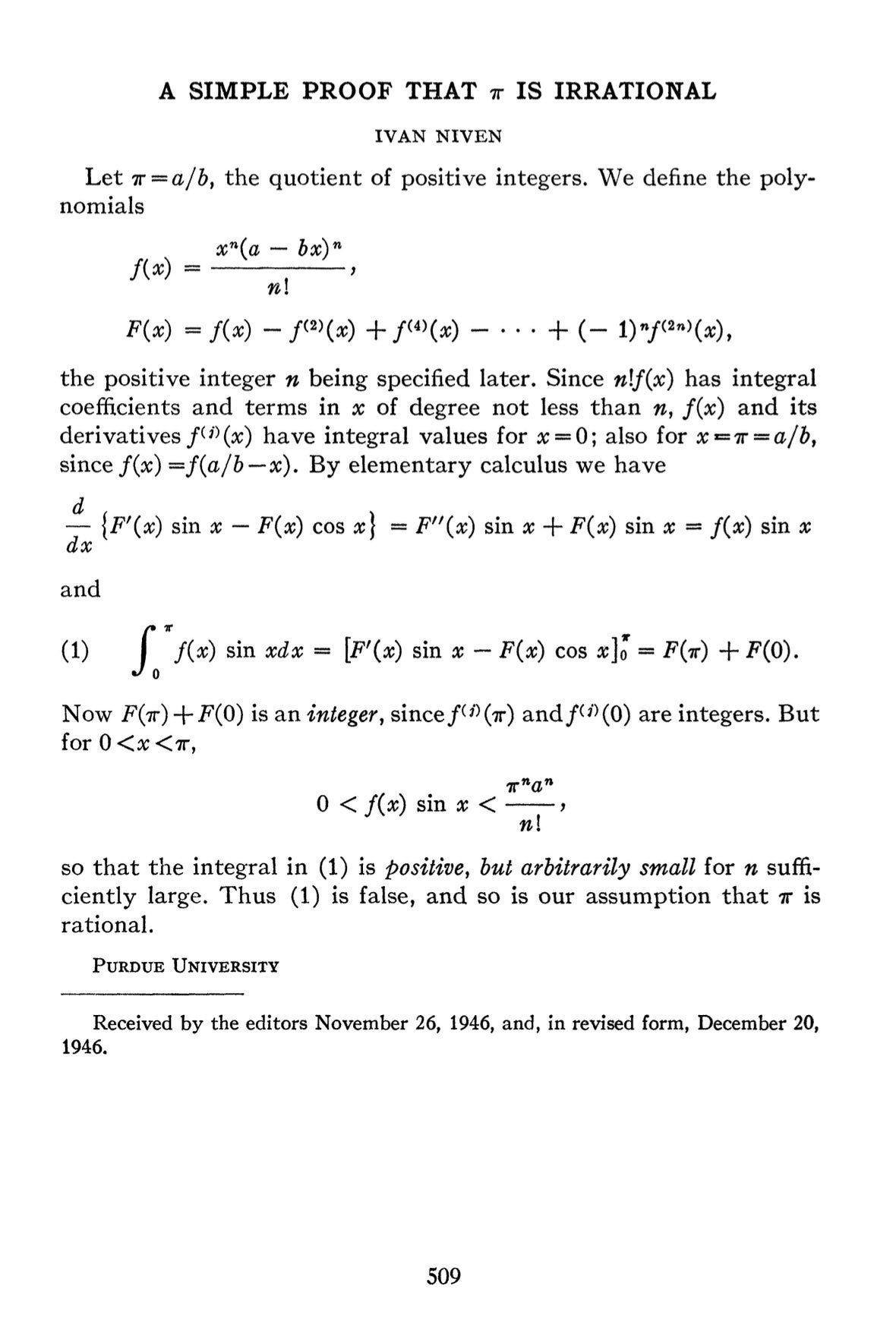
🥧 Mathematician Ivan Niven published an elegant proof that π is irrational in 1947. The proof uses basic calculus and assumes π = a/b (a rational number), then constructs a polynomial and integral that leads to a contradiction.
🎄 Physicists at the University of Amsterdam figured out how to 3D print ice using just water and a vacuum, with no cooling equipment. They printed an 8 cm tall Christmas tree using evaporative cooling principles. The method works by spraying water in a vacuum chamber where rapid evaporation cools the liquid fast enough to freeze on impact. It’s not just for decoration—it can be used to create tissue scaffolding, microfluidics applications, and even building ice structures on Mars.
📐 The word “algorithm” is far older than we usually think. The concept behind everything we now call code, software, and artificial intelligence traces back to the 10th-century mathematician Al-Khwarizmi. His real contribution wasn’t solving individual calculations, but formalizing how calculations should be done. The key shift was not finding answers, but defining repeatable methods so the same kind of problem could be solved in the same way every time — this is where the core idea of an algorithm truly begins.
🥯 Mathematician George W. Hart shows how to cut a bagel into two linked halves. The cutting surface forms a Möbius strip, which means more surface area than a normal cut. Result: you can spread more cream cheese or Nutella. Definitely trying this with the kids this weekend.
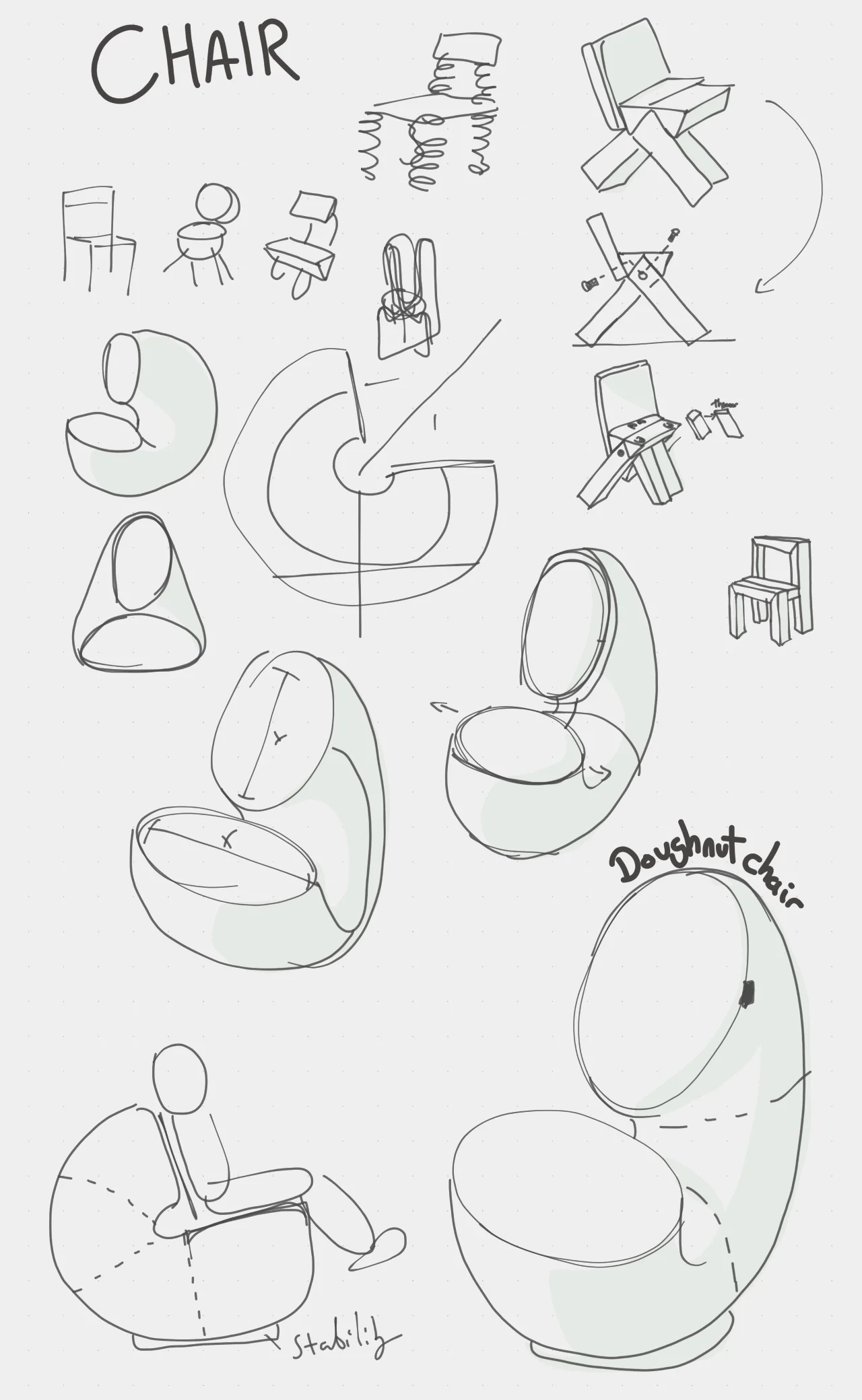
🍩 While the furniture world loves to keep adding parts, this concept chair solves the problem in reverse. The whole idea of the design is built upon the “single bite” taken from one voluminous doughnut shape. The emptiness of that bite defines both the area where you sit and the part where you lean your back. This is like a geometry lesson; instead of assembling the chair from scratch, you get the final form by using a subtraction process from a whole shape you already have. This curved and monolithic design is free of extra detail and shows that minimalist solutions are always the most effective.
Bookmark This Gem
📰 The internet is now an advertising invasion. Apps, smart TVs—everywhere is packed with sponsored content and tracking pixels. Since corporations see us as the product, we are fighting back : with a $30 Raspberry Pi Zero 2W. This tiny device, running Pi-hole software, takes control of your home network , blocking thousands of ad and tracking domains at the DNS level before they even reach you. The result? Pages load instantly , and your phone’s battery life gets better. While stubborn sites like YouTube are tricky , this small piece of hardware proves that a “usable” web is still possible. Just set it up and be free!
🏖️ Icelandic photographer Jan Erik Waider captured drone footage of the country’s black sand beaches on the south coast. The videos show yellow glacial river waters and turquoise ocean colors against the black sand where the rivers meet the Atlantic Ocean. Perfect to play on your TV in the background.
😴 A beautiful longread on why sleep is important not just for rest, but for life itself.
❄️ Over 100 snowflake illustrations drawn by Japanese scientist Doi Ryo in 1892. Each snowflake’s unique structure was meticulously hand-drawn in detail.
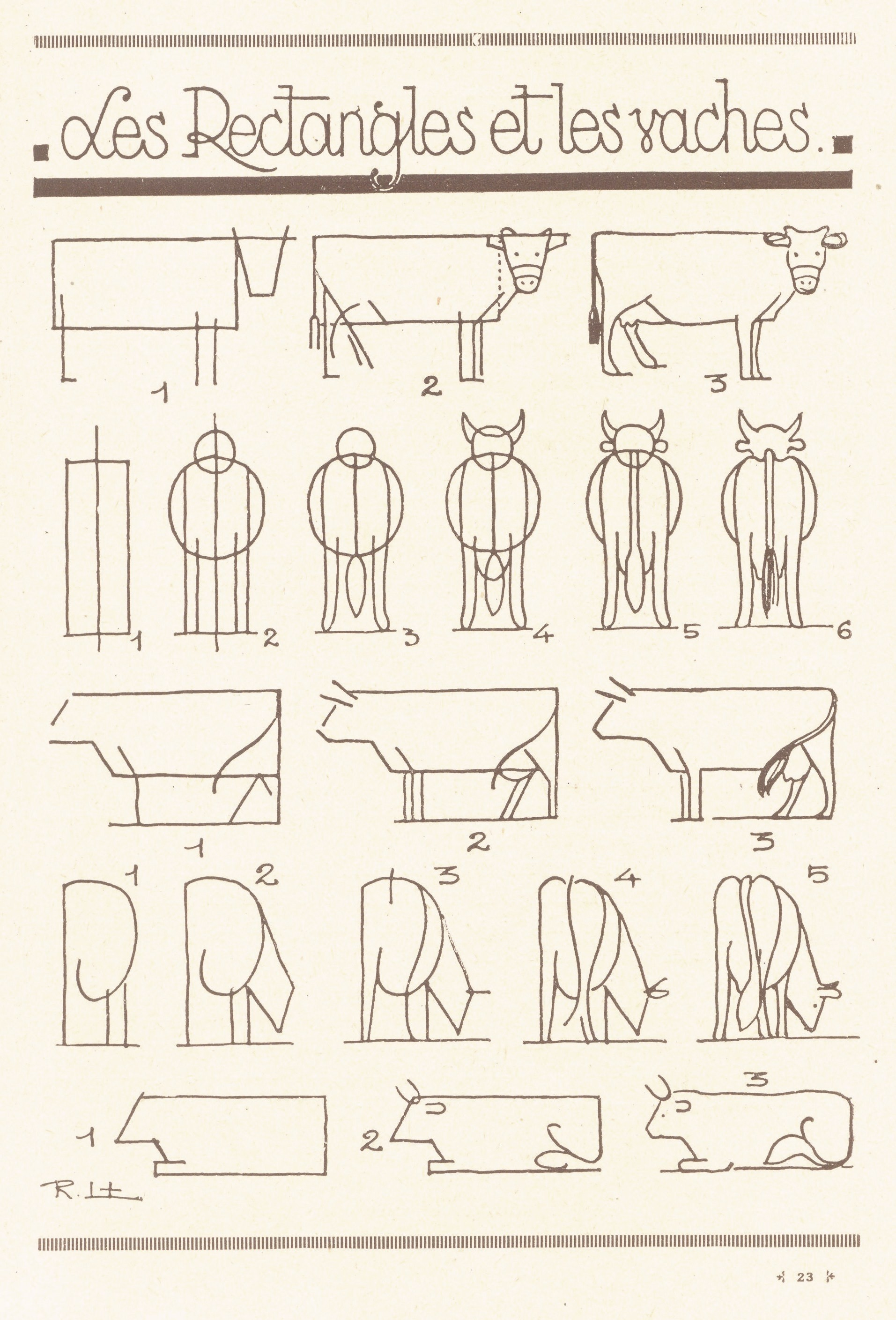
🎨 This French drawing guide from 1931, which reduces animal forms to geometry with an elegant and playful simplicity, gives a clear lesson to modern illustration. This aesthetic lesson, which avoids the complexity that digital tools overwhelm us with, reminds us of the power of simplicity and basic forms in design. You can access the full book on Archieve.org.
News
🎮 A price hike for the Nintendo Switch 2 now looks almost inevitable. The core issue isn’t demand but memory costs: the 12 GB RAM modules used in the Switch 2 have reportedly jumped by around 40% this quarter, while storage components are also becoming more expensive. Memory manufacturers are prioritizing far more profitable AI data centers over consumer electronics.
🗑️ The story of iRobot , the company that brought the robot vacuum idea into our lives, ended with a bankruptcy that even Amazon couldn’t save. But the main issue is not the company’s collapse; it’s how empty the “smart home” promise was. In 2020, it turned out that the Roomba J7 development models took private images of a woman sitting on the toilet and leaked those screenshots to Facebook. So, the device that was supposed to clean our homes turned into a spy that monitored us . iRobot’s downfall shows us that a technology meant to serve us first violated our privacy , and then quietly went bankrupt, also cleaning up the naive belief we had in technology itself.
⚡ Electricity prices in the US have risen 13% since 2022, and half of households earning less than $50,000 a year struggle to pay their electricity bills. In California, prices have doubled over the past decade. There are three proposals to lower costs: making electricity free during midday hours when solar energy is abundant, limiting excessive profits of utility companies, and making fossil fuel companies pay for climate disaster costs like wildfires instead of passing them on to customers. If electricity prices aren’t controlled, the transition to clean energy will become harder and the fight against climate change will be undermined.
💊 Accidental deaths in the US have increased 56% since 2014, making them the third leading cause of death after heart disease and cancer. The main drivers are synthetic opioid overdoses like fentanyl and falls among the aging population. Fentanyl deaths rose from 1.8 per 100,000 people in 2014 to 22.2 in 2023, while cocaine and methamphetamine deaths also surged. We need to find a way to protect our children from this terrible epidemic.

Health
🎵 U.S. pop music has undergone a sharp, measurable shift over the past 50 years. In the 1970s, words linked to stress and anxiety were relatively rare in Billboard chart lyrics; by the 2020s, their usage had increased by roughly eightfold, while positive-emotion words declined, lexical diversity dropped, and repetition rose noticeably. Music was once described as “food for the soul,” yet today the picture feels inverted: keeping the next generation immersed in darker, more pressured, more hopeless language hardly seems accidental. One can’t help but wonder whether this is merely cultural change—or a more systematic push toward shaping younger people into easier-to-manage, more exhausted, and less responsive minds.
🌡️ Extreme heat quietly affects children’s development. A new study shows that children aged 3–4 living in regions where average maximum temperatures exceed 30 °C (86 °F) are less likely to meet basic literacy and numeracy milestones. While the effect may seem modest (around 5–7%), it is more pronounced in economically disadvantaged families and urban areas. In short, this isn’t just about climate—just a few extra degrees can turn into an early and lasting gap in learning.
🧠 A big study from the Karolinska Institutet, following over 8,000 children , found that kids who spend much time on social media like Instagram and TikTok slowly develop symptoms of inattention. They think this happens because constant notifications and the thought of “did a message arrive?” cause mental distraction. This effect is not seen with watching TV or playing video games. If a 9-year-old starts with 30 minutes a day but a 13-year-old spends 2.5 hours , even a small effect at the personal level will cause a big problem for public health.
⚽ The symptoms of oppositional-defiant disorder (ODD), which is the nightmare of parents—non-compliant and constantly opposing—are more common in boys and unfortunately undermine critical areas like learning and relationships. A new study from Canada and Italy offers a surprisingly simple solution to this problem: Regular team sports! According to the study, young adolescents, especially boys, who participated in organized sports under a coach between the ages of 6 and 10 show less oppositional behavior. This means it’s not just about running and getting tired; sport teaches children respect for rules, cooperation, and self-control in a natural environment.
⌚ A new health AI trained on roughly 3 million days of Apple Watch data from about 16,000 people can distinguish certain conditions before they fully surface. By jointly analyzing more than 60 signals—such as heart rate, sleep, movement, and respiration—the system showed discriminative performance in the 70–87% range for conditions like hypertension, rhythm disorders, and chronic fatigue.
This Week I Learned That
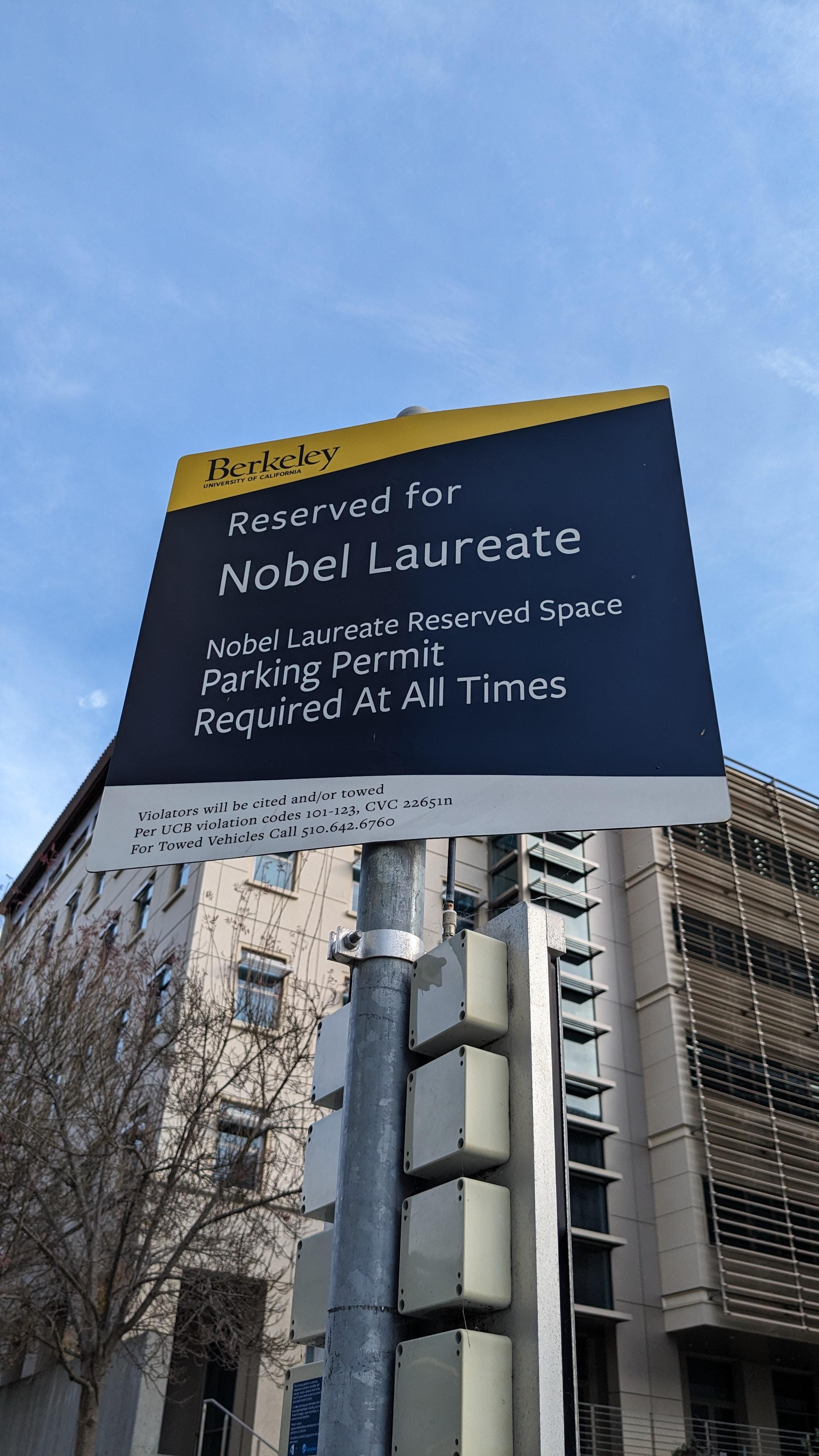
🅿️ UC Berkeley gives Nobel Prize-winning professors free parking for life. The tradition started in 1980 when Polish poet Czeslaw Milosz, who won the Nobel Prize in Literature, asked for a parking spot. On campus, there are special spots marked with blue “NL” (Nobel Laureate) signs, and apparently this annoys the Nobel winners at Stanford. Winning a Nobel to get a parking spot... makes sense to me as a motivation.
Thanks for sharing, Ali.
So many lovely clips!