
Beyond Euclid #222
Welcome to Beyond Euclid #222, the newsletter for the best mathematics and science stuff of the week. I am Ali, and I curate cool math and science stuff every week to help you have a better week.
Hello from Beyond Euclid 222. This week I realized something. I don’t know a single person who reads this. Not one. I write it every week, hit send, and it disappears into a room I can’t see. 222 times now. That should feel strange. Somehow it doesn’t. If anything, it’s the part I’ve come to like most — writing for people I’ll never meet, about things neither of us went looking for. If you’re here, you’re probably the kind of person this was made for.
This week’s issue is heavier than usual. Birth rates, reading scores, AI cheating, robots replacing warehouse workers. I’m not sorry for including them — I think they matter — but I did want to warn you before you scroll down. There’s good stuff too. A 1949 whale song. A secret concert archive. Dragon scales on a geothermal pool in Iceland.
Still free, still weekly. If it’s earned a place in your routine, a paid subscription on Substack or a contribution on Patreon is the most direct way to keep it going. If that’s not for you right now, forwarding it to one person who’d actually appreciate it does more than you’d think.
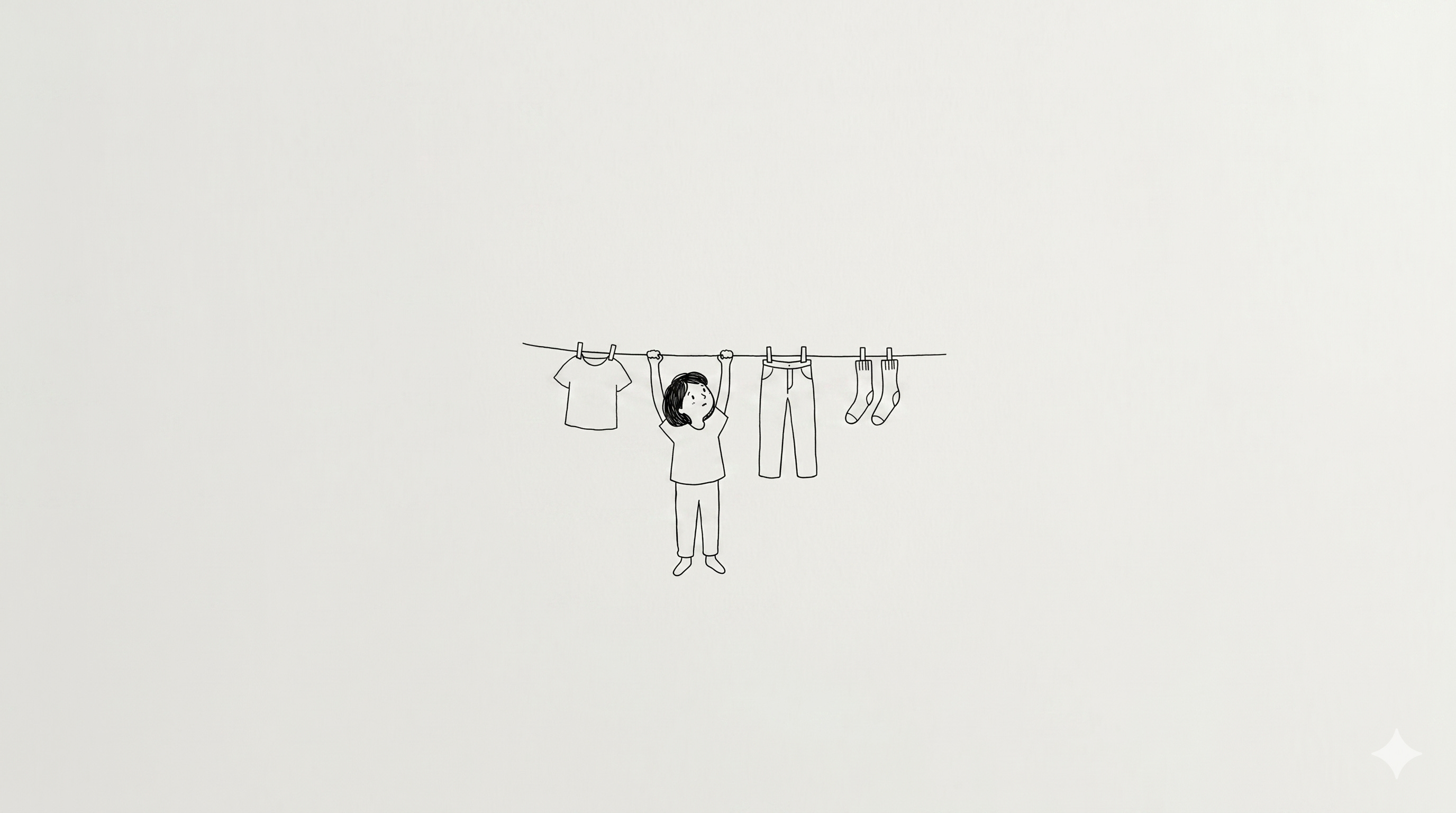
🔢 If you divide the decimal digits of pi into blocks of 10, the probability of any single block containing all digits from 1 to 9 is roughly 1 in 40,000. According to mathematician John Conway, that’s genuinely rare. And yet it happens in the seventh block. Pi is infinite and chaotic — but sometimes it surprises you.
🔢 Writing out the number googolplex is said to be impossible — but Wolfgang Nitsche has done it. He made a massive book series where each volume contains one million zeros, and the total number of volumes is as large as googolplex itself. All volumes are available as free PDFs. You couldn’t read them in a lifetime, but here we are.
🎵 Here’s something that will absolutely justify your internet bill this month. Aadam Jacobs has secretly recorded more than 10,000 concerts since 1989, using a tape recorder he kept hidden on him. His first major recording was Nirvana’s debut Chicago performance — when the band was still unknown. In 1989, Kurt Cobain told the crowd, “Hi, we’re Nirvana, we’re from Seattle,” and the show began. The archive also includes early career performances by R.E.M., The Cure, The Pixies, Depeche Mode, Sonic Youth, Björk, and others. All recordings are available for free on Internet Archive.
🔩 A man’s best friend is his screwdriver. The history of screwdriver handle design goes back to early 19th-century woodworking chisels, and Rex Krueger covers it all in a great video. I had never thought about this before, but I would watch it again even if it were an hour long.
✏️ This week I learned that an ordinary pencil can draw a line 35 miles long or write about 45,000 words. That’s roughly a short novel. Yes, you can write a short novel with a single pencil.
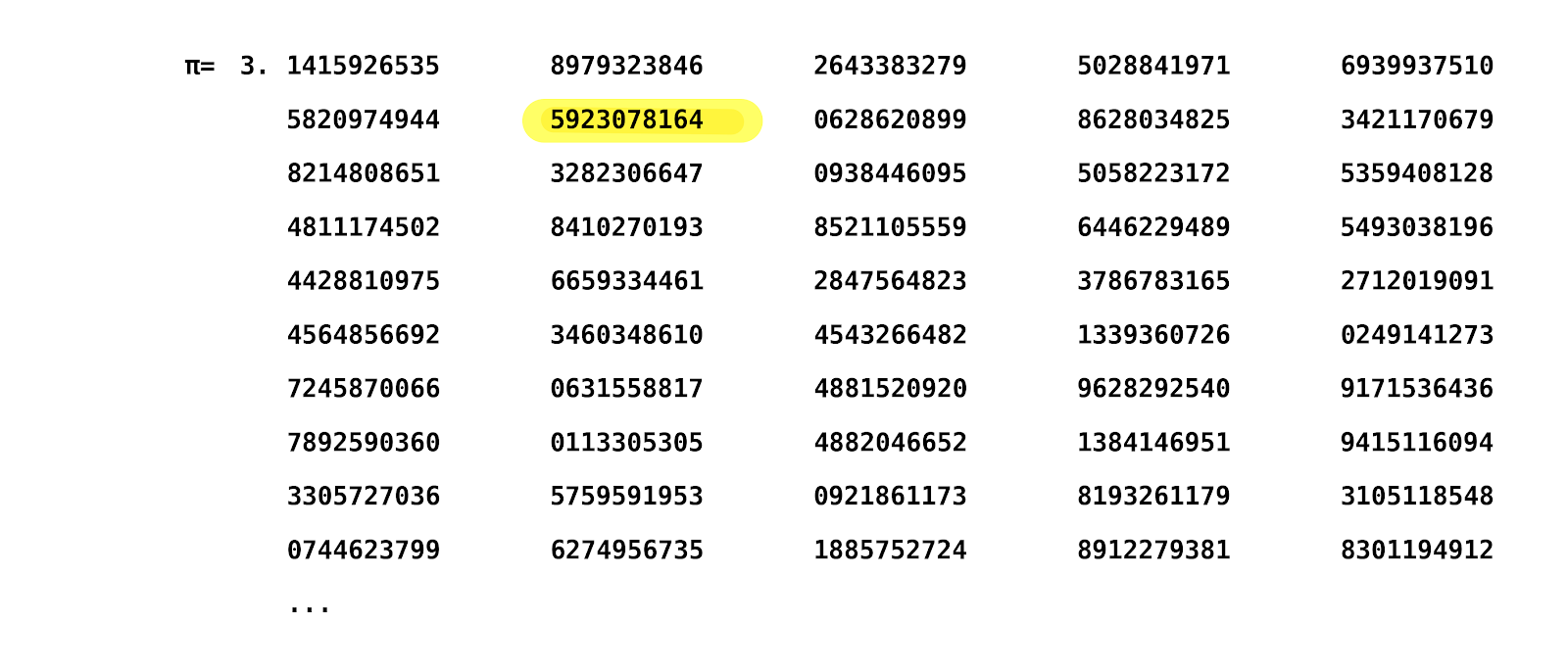
📉 Reading scores for students in grades 3 through 8 have dropped dramatically in nearly every U.S. state between 2015 and 2025. On the chart, arrows run from the 2015 average toward 2025 — and almost all of them point left, meaning backward. This trend needs to stop!
📚 Reading for pleasure has dropped 40% over the past 20 years, and literacy skills among both students and adults continue to decline. To address the problem, a group of foundations will direct $50 million over five years to support nonprofit literary organizations, small publishers, writing fellowships, and literary centers.
🎓 The number of students caught cheating with AI at leading UK universities has nearly tripled in a single year. During the 2024–25 academic year, more than 2,000 students were expelled for using AI in assignments and exams. These are apparently the silly ones — those who submitted AI-generated content without checking it. One student, for example, cited a 2017 book about Kurds by Michelangelo.
🏛️ Princeton faculty voted this week to require proctors at all in-person exams, ending an unproctored exam tradition that had been in place since 1893. For over a century, a student’s word of honor was enough — apparently it no longer is. In a survey of 500+ graduate students last year, 30% admitted to cheating on an assignment or exam, nearly half said they knew about honor violations around them, but only 1% reported it. National research shows a third of students have AI write their assignments in full.
📈 According to a UC Berkeley study, since AI became widely available, perfect grades in AI-friendly subjects — like English composition and coding — have increased by 30%. In subjects where AI is less useful, like sculpture and lab courses, grades stayed flat. The researcher’s conclusion: the C student is now an A student.
👶 Two-thirds of the world’s 195 countries now have birth rates below the 2.1 replacement threshold. In 66 countries, the rate is close to 1. What makes this worse is that the crisis is no longer limited to wealthy nations. In 2023, Mexico’s birth rate fell below the U.S. rate for the first time. The Financial Times analysis reveals a striking pattern: in every country from South Korea to Morocco, birth rates bottomed out right after smartphones became widespread.
🔓 An update on last week’s Canvas hack. Canvas maker Instructure paid a ransom to the ShinyHunters group, which had stolen 3.5 terabytes of data. The attack affected 9,000 institutions across the U.S., Canada, Australia, and the UK. The company did not disclose the amount paid.
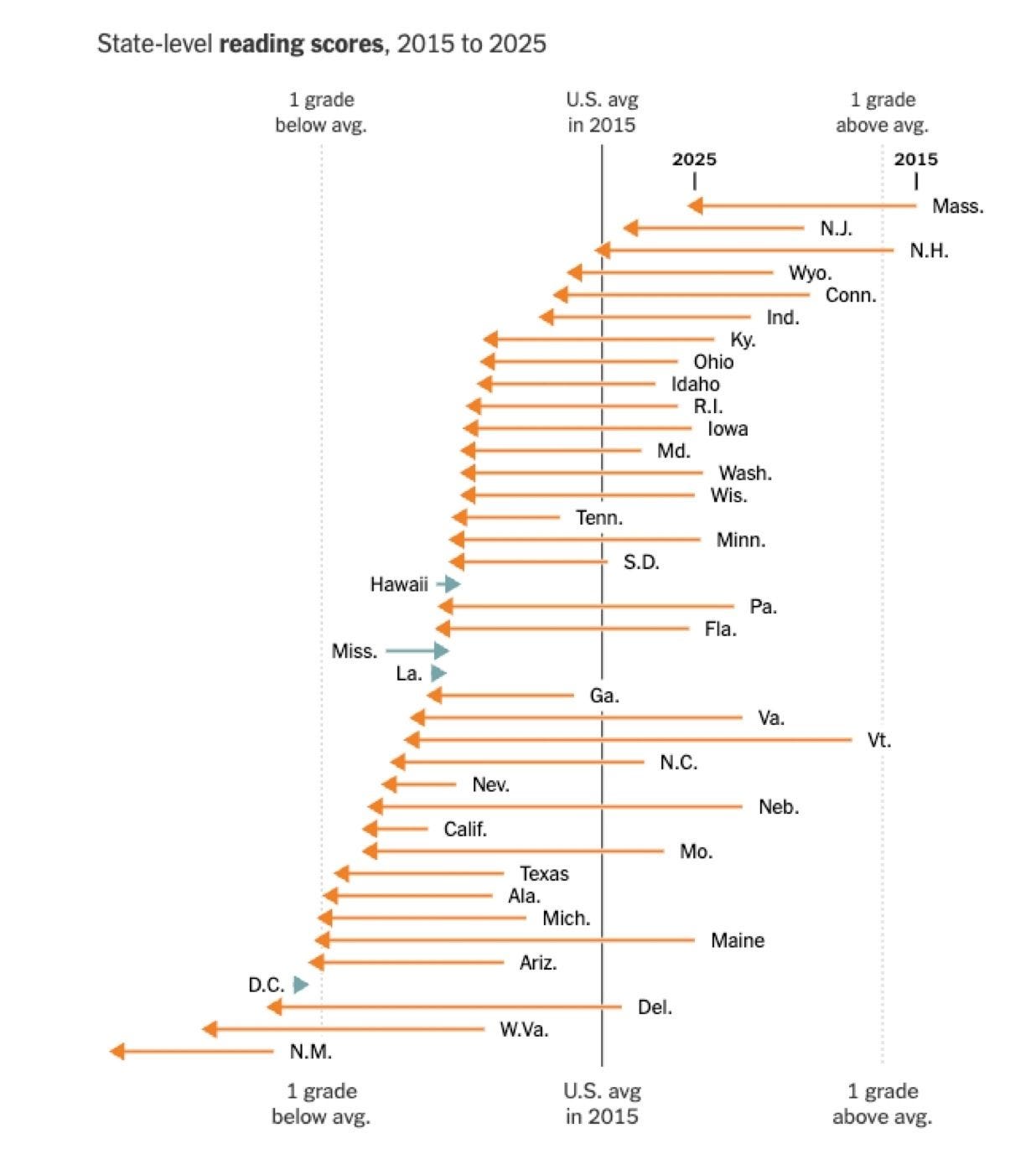
🐉 This drone photograph by Miki Spitzer shows a geothermal pool in Iceland from above. Mineral residue left behind by evaporating water has formed a texture on the surface resembling dragon scales. It won the gold award at the World Nature Photography Awards. They call it the dragon’s eye — what else would you call it.
📜 The exact location of Shakespeare’s only property in London has finally been identified — 400 years later. A researcher at King’s College London discovered a previously unexamined 1668 floor plan. The precise location, size, and surroundings of the Blackfriars property Shakespeare purchased in 1613 are now known. The property was sold by Shakespeare’s granddaughter in 1665 and destroyed in the Great Fire of London a year later.
🤖 Boston Dynamics’ Atlas robot can now carry a refrigerator. In their latest video, it rotates its torso 180 degrees, crouches under a mini fridge, lifts it, and delivers it to an engineer sitting at a desk scrolling through his phone. Boston Dynamics says the behavior was developed in a matter of weeks. A few years ago this was the same robot we felt bad for when engineers kicked and hit it with sticks. Apparently it wasn’t built to be rented out by U-Haul.
🏭 While Atlas is moving fridges, Figure’s Helix-02 is running full 8-hour shifts on a logistics line. This week, a Helix-02 sorted 30,223 packages nonstop during a 24-hour livestream. Fully autonomous, human-level performance, no fatigue. There are currently millions of people doing this exact job in the logistics sector. Anyone watching this has probably been losing sleep.
🛏️ Ten days ago, two of those same Helix-02 units tidied a bedroom in 2 minutes. They opened the door without permission, hung up clothes, put headphones back in place, threw out trash, and pushed a chair under the desk. Then they made the bed together. The only thing missing was the two of them gossiping while they worked. That’s how real housekeeping gets done.
🔊 Sonic Firetech, founded by former NASA engineers, can extinguish fires using sound waves. Fire needs oxygen to burn, and low-frequency sound waves vibrate oxygen so rapidly that fuel can’t use it — the flame dies. The San Bernardino Fire Department tested the backpack version, and results look promising. In a home system, the waves travel through ventilation ducts and reach up to 10 meters outside. No harm to humans or animals. The company’s founder lost his own home in the Altadena fire last year. At a time when water is this precious, being able to put out fires without using a drop is a genuinely valuable development.
🐋 During digitization work in the WHOI archives, a 1949 humpback whale song was discovered. Recorded near Bermuda, it’s the oldest known preserved whale song. On the subject: Google AI previously recorded tens of thousands of hours of whale communication and made it available through a site called Pattern Radio.
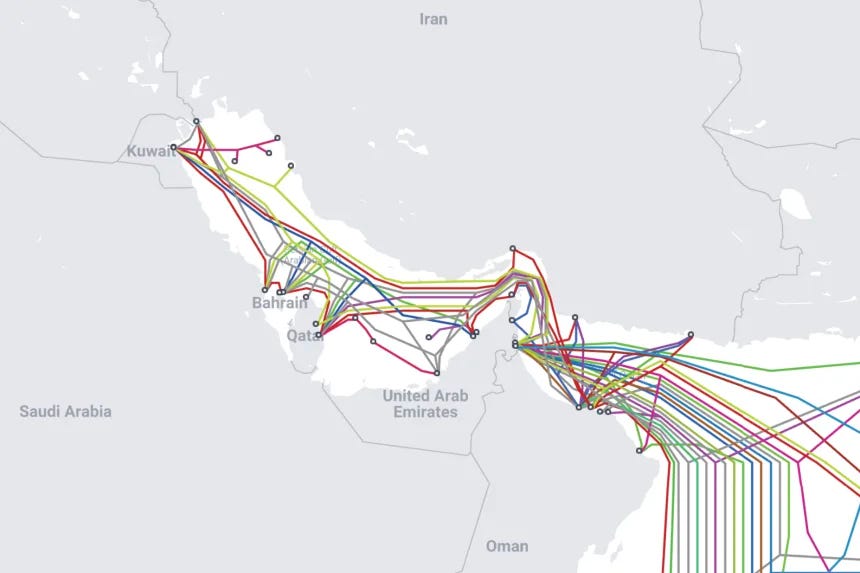
🌐 Iran is preparing to charge companies like Google, Microsoft, Meta, and Amazon transit fees for undersea internet cables passing beneath the Strait of Hormuz. Media linked to Iran’s Revolutionary Guards has implied that if companies refuse to pay, cable traffic could be disrupted. While cables through the strait carry less than 1% of global internet bandwidth as of 2025, in 2024 a ship sunk by the Houthis dragged its anchor across three undersea cables, disrupting 25% of regional internet traffic. Behind this move is Iran’s desire to put its cards on the table ahead of a possible resumption of war and to establish regional deterrence.
😴 A large-scale study covering 500,000 adults found that sleeping 6 to 8 hours a day reduces the risk of early death and disease. Sleeping either less or more than this range accelerates biological aging. An interesting finding is that sleep duration has little to do with genetics and is more closely tied to environmental factors. That’s good news — it means sleep is a changeable habit.
🧴 Scientists from England and Japan have discovered that harmless bacteria living on our skin can stop the inflammation that triggers eczema. When nutrients run low, these bacteria release small molecules that block the release of a protein called IL-33 — the main driver of eczema. Mouse studies have shown promising results. The researchers believe these molecules could be developed into a topical treatment for eczema.
🌫️ A study examining 32 fog events in Pennsylvania over two years found something unexpected. Bacteria living inside fog droplets were cleaning the air by consuming toxic chemicals like formaldehyde. Less than 1% of fog droplets contain bacteria, but when combined, the concentration reaches the same level as the ocean — a thimble of fog water contains roughly 10 million bacteria. The fact that fog is being used as a cleaning mechanism is truly remarkable.
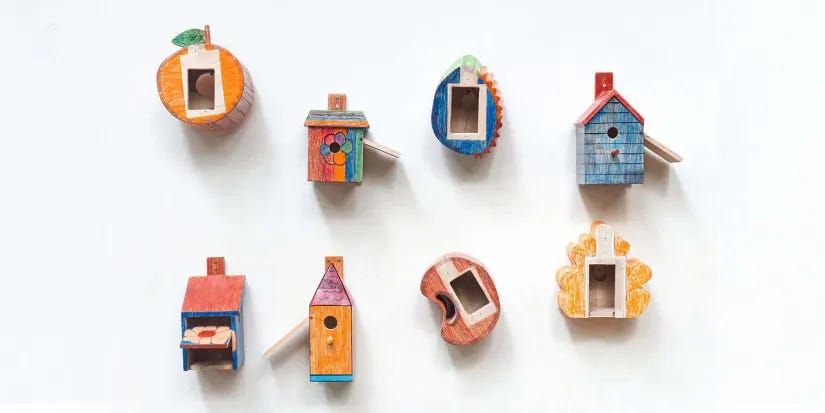
🐦 Designer Taekhan Yun ran a workshop with children in Cambodia. The kids first drew birdhouses, and those drawings were then turned into real birdhouses. What came out looks nothing like conventional birdhouses — but maybe the birds prefer this interpretation.
Thank you for being reliably:
✔️Orthogonal
✔️Fun
✔️Masterful
✔️Inspiring
✔️Consistent
✔️Real
Thank you for the always joyful content